What to Do If You Think You Have a Cracked Tooth
A cracked tooth can lead to increased sensitivity to hot and cold foods, and it can also lead to pain when eating. The toothaches that often accompany cracked teeth tend to be sporadic. This makes it more challenging to locate cracked teeth, especially when the damage is minimal.
Cracked teeth do not always lead to pain and discomfort. In some cases, the damage to a tooth is only to its appearance. However, such damage can still leave a tooth vulnerable to decay and infection, so it is best to have a dentist evaluate the tooth to determine if treatment is needed.
Determining if you have a cracked tooth
A cracked tooth not being treated can lead to more discomfort and pain down the road. However, cracked teeth do not always come with symptoms, so some people have no idea that they have a cracked tooth. Here are a few of the signs and symptoms that can let one know if a tooth is cracked:
- Swollen gum tissues around the damaged tooth
- Pain when biting down or chewing
- Teeth that are sensitive to sugary things
- On and off toothaches
- Tender gums around the damaged tooth
The most common ways that people end up cracking a tooth include:
- Biting down on hard foods or items
- Teeth grinding
- Trauma to the face
- A tooth being weakened by a large filling
- Sudden temperature changes in the mouth
Diagnosing cracked teeth
Dentists have a variety of tools at their disposal when it comes to treating chipped teeth. The first step involves diagnosing the extent of the damage done to the person's tooth. The dentist may:
- Perform a visual examination of the patient's teeth
- Talk to the patient about their dental history
- Use a tool called a dental explorer to find cracked edges on teeth surfaces
- Ask the patient to bite down on something
- Use dental dye to reveal cracks
- Examine the patient's gums for inflammation
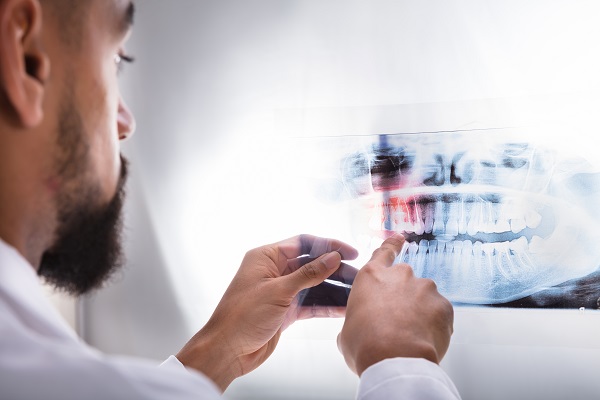
- Take X-ray images of the patient's teeth (this does not always reveal cracks, but it does allow the dentist to detect issues present in the pulp chamber, which can be a sign that a tooth is cracked)
Our dentist recommends coming in for an evaluation if you think that one or more of your teeth might be cracked. Having the tooth treated by a dentist often brings an end to any pain and discomfort that the patient is experiencing.
Simple ways to manage a cracked tooth while waiting to see a dentist include:
- Keep the area clean, and rinse your mouth with salt water to clear debris stuck in the damaged tooth
- Use over-the-counter painkillers to manage any pain and discomfort
- Apply a cold compress against the cheek nearest to the damaged tooth; this should be done in 20-minute intervals on and off
We can fix your tooth
The longer you hold off getting your cracked tooth treated, the more challenging it becomes for a dentist to fix it. Call or visit our Santa Cruz clinic to start the process.
Request an appointment here: https://www.kevinjdailydds.com or call Kevin J Daily DDS at (831) 580-1141 for an appointment in our Santa Cruz office.
Check out what others are saying about our dental services on Yelp: Cracked Tooth in Santa Cruz, CA.
Recent Posts
If you are looking for dentures, it is essential to know how to care for them properly. They can be expensive, and not everyone has the budget to keep them fresh with regular visits to the dentist.Learning about denture hygiene will help ensure that they stay clean and comfortable while fighting plaque buildup and tartar…
Teeth whitening can help brighten natural enamel when stains come from foods, drinks, aging, or normal daily habits. Dentist-supervised at-home treatment uses custom trays and whitening gel to create a more controlled process than many store-bought products. However, an in-office visit is still necessary, as our dentist first checks the teeth, gums, and existing dental…
Preventive dentistry helps patients protect their teeth and gums through childhood, adulthood, and the golden years of life. A healthy smile needs more than occasional attention when something hurts. It needs steady care, regular checkups, and consistent habits that keep small concerns from growing into major problems. Learning how a dentist adapts their approach to…
Cosmetic dentists know that a beautiful smile goes beyond the appearance of the teeth. When too much of the gums show through when smiling, even perfect teeth can appear unusually short or small. Similarly, an uneven gumline may create an asymmetrical look that detracts from an otherwise beautiful smile. If you are unhappy with how…